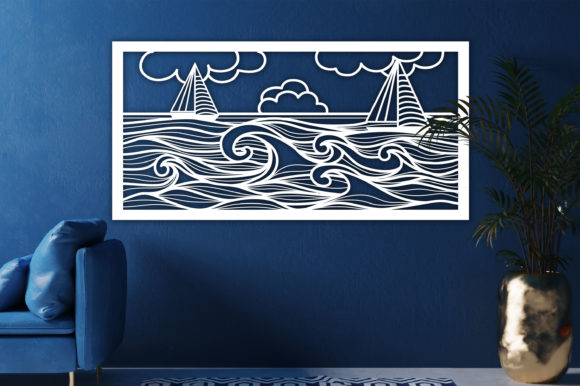
Wall Panel Stencil: Laser Cutting for Wall Decor
As a designer working on a seasonal campaign for a handmade home goods brand, I was drawn to the Wall Panel Stencil for its ability to add a natural, coastal aesthetic to any project. The design features a sea view landscape with waves and a boat, making it ideal for creating a relaxed, inviting mood. It’s a creative design that could elevate everything from packaging to social media graphics.
First Impressions and Visual Mood
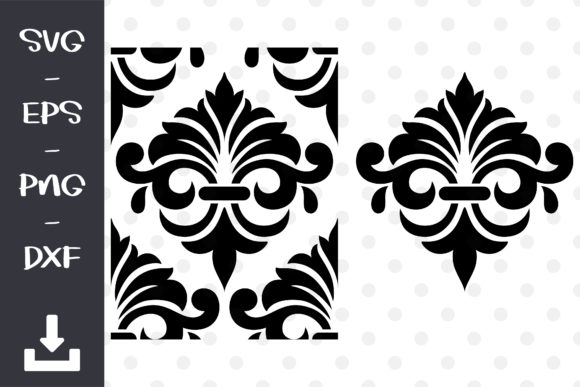
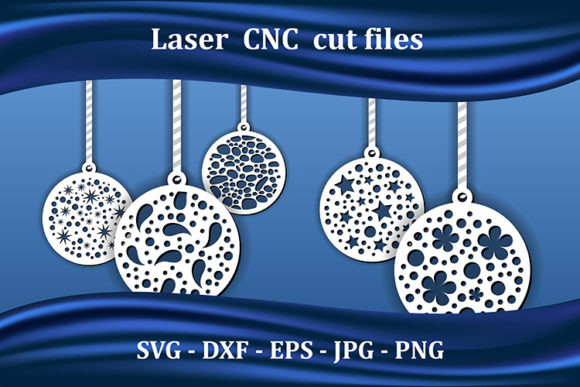
The Wall Panel Stencil immediately evokes a sense of calm and serenity. Its decorative wall panel style is perfect for projects that aim to bring nature indoors. The vector files for CNC laser cutting make it versatile for use in metal panels, room dividers, or even as a backdrop for product mockups. This is more than just a digital product—it’s a visual element that can shape the entire design direction of a project.
For a small business branding effort focused on eco-friendly home decor, this asset could serve as a key visual component. It aligns well with modern design principles and offers a unique way to differentiate a product line in a competitive market.
Real-World Design Applications
When considering how the Wall Panel Stencil fits into real design situations, it’s clear that it excels in large layout areas and hero graphics. Whether used in a packaging design for a boutique product line or as part of a marketing visuals campaign, the asset adds a layer of sophistication without overwhelming the composition.
It also works well in themed collections, such as a summer collection for an Etsy product launch. As a printable design, it can be adapted for t-shirt design, sticker design, or even as a sublimation design for mugs and tote bags. The sea view landscape makes it particularly effective for campaigns targeting outdoor enthusiasts or beach-themed brands.
In editorial design, the Wall Panel Stencil could act as a background element or a decorative accent that complements text-heavy content. For web design, it might be used as a header graphic or as part of a blog visual to enhance storytelling.
Best Use Cases for Wall Panel Stencil
This design asset shines in areas that benefit from a strong visual presence. Large layout areas, such as posters or banners, are ideal for showcasing the intricate details of the stencil. It also works well in product mockups, where it can be layered over images of furniture or home decor items to create a cohesive look.
Themed collections, like a series of seasonal campaign visuals, can leverage the Wall Panel Stencil to maintain a consistent aesthetic across multiple platforms. As a Canva template, it provides a solid foundation for designers looking to create professional-looking social media posts or Instagram content quickly.
For print-on-demand sellers, the asset is valuable as a printable design that can be sold as part of a design bundle. Its vector format ensures scalability, making it suitable for both small and large-scale production.
Where to Use With Caution
While the Wall Panel Stencil is a strong design asset, it may not be the best fit for every project. In small sizes, the details can become lost, which could reduce its effectiveness. Similarly, in crowded layouts or complex backgrounds, it might clash with other elements rather than complement them.
Minimalist branding efforts or professional corporate materials may find the stencil too ornate. In these cases, a cleaner, more streamlined design would be more appropriate. Low-contrast designs or those with very simple color schemes might also struggle to showcase the full potential of the asset.
Designers should also consider how the Wall Panel Stencil affects visual hierarchy. If the goal is to highlight text or other key elements, the stencil should be placed carefully to avoid distracting the viewer.
Impact on Branding and Design Quality
Using the Wall Panel Stencil can significantly impact the overall impression of a design project. It contributes to emotional appeal by evoking a sense of relaxation and connection to nature. This can help build trust with the audience and reinforce brand identity, especially for businesses that emphasize sustainability or wellness.
For a handmade business, the asset can add a level of professionalism that elevates the perceived value of products. It also supports audience engagement by providing a visually appealing element that resonates with target demographics.
However, it’s important to ensure that the design aligns with the brand’s existing visual language. Testing it in different contexts—such as black and white or on various background colors—can help determine its versatility and effectiveness.
Practical Designer Notes
Before using the Wall Panel Stencil for a client project, there are several practical steps to take. First, test it in black and white to see how it holds up without color. Check contrast on light and dark backgrounds to ensure visibility and readability.
Preview the design at small and large sizes to understand how it scales. Place it on real mockups to see how it integrates with other elements. Test print quality if it will be used for physical products, and review file formats to confirm compatibility with design software.
If the asset includes PNG transparency, inspect it to ensure it meets your needs. For SVG designs, check editability to see if it can be modified without losing quality. Compare it with different font styles to see how it interacts with text elements.
Finally, always confirm commercial licensing before using the design for a client or business project. This ensures that you’re compliant and avoids potential legal issues down the line.
Conclusion
The Wall Panel Stencil is a versatile design asset that can enhance a wide range of creative projects. From packaging design to social media graphics, it brings a natural, coastal vibe that can elevate the visual mood of any work. Its vector format and laser-cut compatibility make it a valuable addition to any design toolkit.
Whether you're working on a small business branding initiative or a seasonal campaign, the Wall Panel Stencil offers a professional and polished solution. By understanding its strengths and limitations, designers can make informed decisions about how to best incorporate it into their workflow.