Tarot Cards Illustration
As an embroidery designer with years of experience, I’ve seen my fair share of digital design files. But when I came across the Tarot Cards Illustration, I wanted to take a closer look at how it would hold up in real-world projects. This design isn’t just for fun—it’s a versatile set of graphics that could work well in a variety of handmade and commercial applications. Let me walk through what I found after testing it out.
First Impressions: Mood, Layout, and Visual Personality
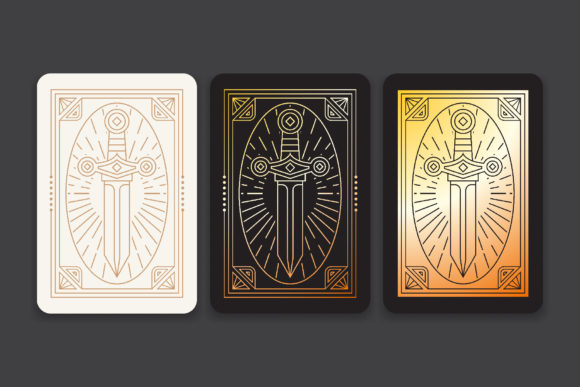
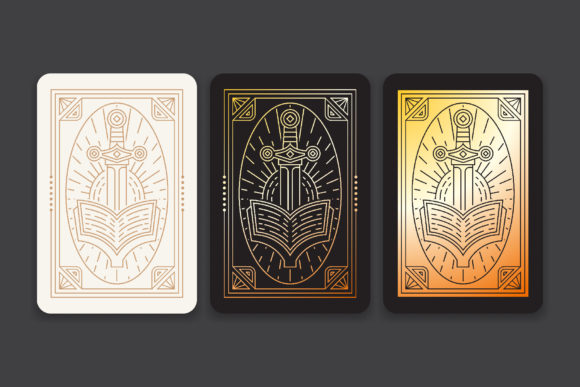
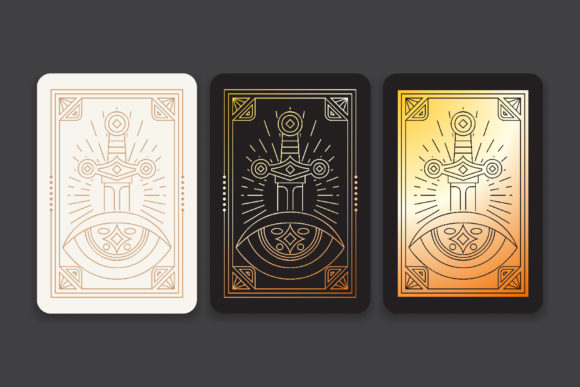
The Tarot Cards Illustration immediately caught my eye with its mystical and elegant feel. The decorative frame, paired with the swords and vase with hand illustrations, creates a sense of mystery and artistry. It’s the kind of design that feels like it belongs on a vintage-inspired item or something with a spiritual theme.
The layout is clean but intricate, with enough detail to make it visually interesting without being overwhelming. The use of negative space gives it a balanced look, making it adaptable for different types of embroidery projects. Whether you’re working on a custom tote bag or a baby onesie, the design has a natural flow that doesn’t feel forced.
One thing I noticed is that the design works best on larger surfaces. It’s not ideal for small hoop sizes, as some of the finer details might get lost. That said, if you’re looking for a statement piece, this illustration could be perfect for a sweatshirt, apron, or even a pillow cover.
Real-World Embroidery Performance
I tested the Tarot Cards Illustration on several fabric types and found that it performs well on medium-weight materials like cotton and canvas. The stitch density is moderate, which means it won’t be too dense for most machines. However, I did notice that some areas with fine lines required careful attention to ensure they didn’t come out blurry or distorted.
For custom apparel, this design could be a great fit for a holiday gift or a personalized product. Imagine an embroidered tote bag with the Tarot Cards Illustration—perfect for a craft fair or an Etsy shop. It also has potential for baby items, especially if you’re going for a more whimsical or mystical theme.
When it comes to commercial embroidery, the design’s versatility makes it a solid choice. It can be used on caps, patches, and even kitchen towels. However, I’d advise caution when using it on stretchy or thin fabrics, as the design may not hold up as well under stress or repeated washing.
Where to Use It Carefully
There are a few situations where the Tarot Cards Illustration might not be the best fit. For example, if you’re working with small hoop sizes, some of the smaller details might be difficult to stitch accurately. Similarly, on textured or dark fabrics, the design might not show up as clearly as you’d like.
If you’re planning to use it on a layered garment or a curved surface like a cap, you’ll need to adjust the design slightly. The corners and edges of the illustration are somewhat delicate, so they might not translate well to curved areas. Tiny lettering or highly detailed areas could also be problematic unless you’re using a high-end embroidery machine.
Another thing to consider is the visual appeal. While the design is beautiful, it may not be the best choice for something that needs to be washed frequently. If you’re making a product that will see regular use, like a towel or a blanket, you might want to opt for a simpler design to avoid wear and tear.
Impact on Visual Appeal and Customer Trust
The Tarot Cards Illustration adds a unique touch to any project. It’s not your average design—it has character and a story behind it. That can be a big selling point for handmade products or personalized gifts. Customers often appreciate designs that stand out and feel special.
From a branding perspective, this illustration could help establish a consistent aesthetic for a craft business or an Etsy shop. It’s also great for creating printable mockups or digital product previews, which can be used in marketing materials or social media posts.
However, it’s important to remember that not every customer will connect with this style. Some may find it too complex or not to their taste. That’s why it’s always a good idea to test the design on different fabrics and backgrounds before finalizing a product.
Practical Designer Notes
Before jumping into a project, I recommend testing the Tarot Cards Illustration on scrap fabric. This will help you see how the design looks in real life and whether it meets your expectations. Pay close attention to thread color contrast, especially if you’re using dark or light fabrics.
Also, check the stitch density and hoop size to make sure everything fits comfortably on your machine. If you’re using this for a commercial project, confirm the licensing terms to ensure you’re allowed to sell finished items or digital products.
Lastly, don’t forget about stabilizer. Using the right type can make a big difference in how the design turns out, especially on stretchy or delicate fabrics. And if you’re unsure about how the design will look on a particular item, try creating a black and white mockup to get a better sense of the details.
Final Thoughts
The Tarot Cards Illustration is a strong design with a lot of potential. It’s perfect for those looking to add a touch of mystique to their embroidery projects. Whether you’re an Etsy seller, a small shop owner, or a hobbyist, this illustration could be a valuable addition to your design library.
Just remember to approach it with care. Test it thoroughly, understand its limitations, and use it in the right context. With the right application, the Tarot Cards Illustration can elevate your work and bring a unique flair to your handmade products.